hover reads the letters; tap opens their door
hover reads the letters; tap opens their door
Ripper listens to your call and hands you the next question.
Ripper is a listening companion for the hiring conversation. He sits beside whoever's asking - a recruiter on a screening call, a candidate rehearsing for the real one - and pays the kind of attention people wish they could: never losing the thread, never forgetting what's already been covered, always ready with the question that moves things forward.
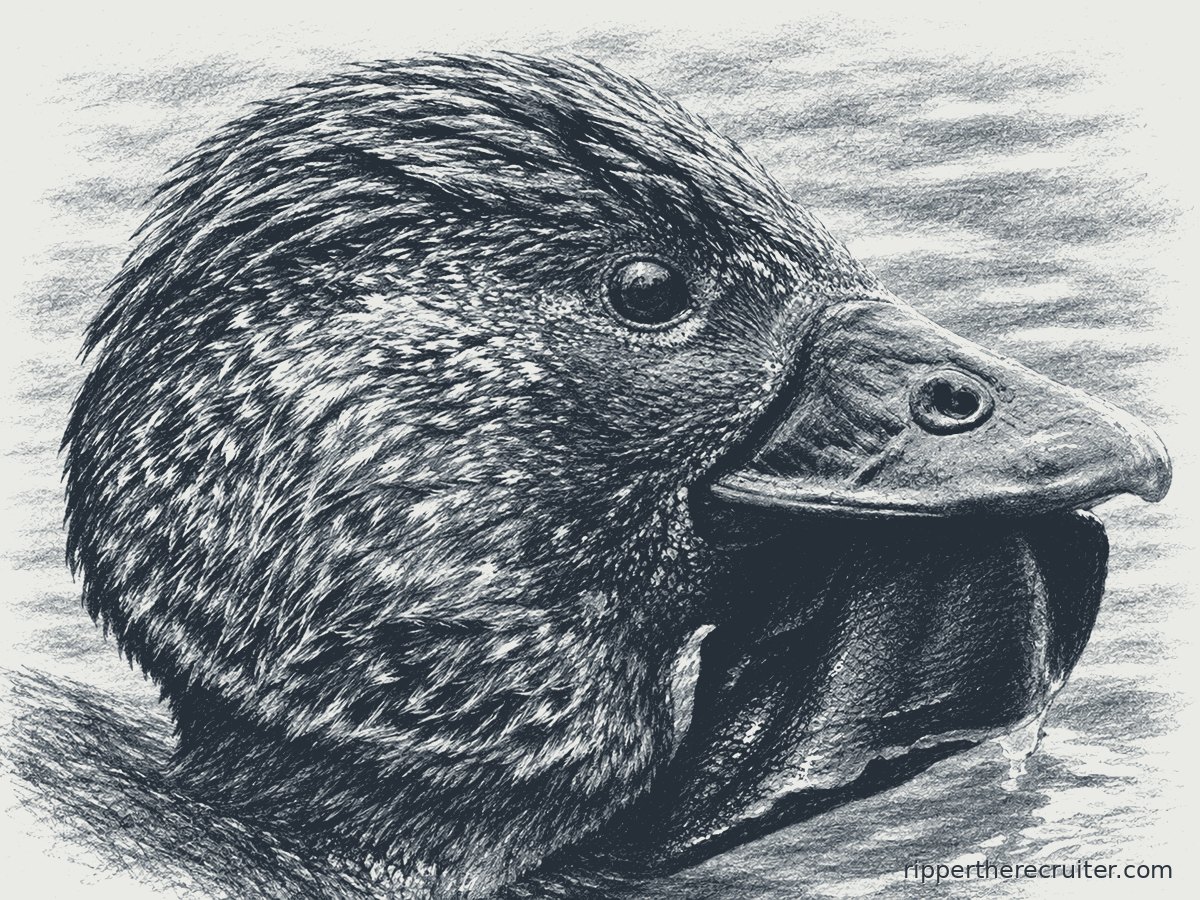
He's named for a duck who learned to talk by listening, and that's the whole philosophy. Interviews go wrong when nobody is really hearing anybody. Ripper doesn't perform for you and he doesn't script you - he listens with you, and the conversation gets better because someone in the room is doing that job perfectly.
He's free to use, built in the Hudson Valley by a human and her Claude, and he keeps nothing - no server, no account, no record but the one you download yourself. Your words do travel, though: your browser's speech service turns them into text, and the text goes to the AI provider you bring a key for, the same way any cloud tool works. Say the true things; just know where they go.
Tap a letter above, or pick your door.
Plan the screen, then let Ripper listen beside you.
Practicing for your own interview instead? The practice chair.
Bring your own key. Calls go straight from this browser to the provider you chose - no server in between, nothing stored anywhere, and the key dies with this tab. Straight talk about the audio: your browser's speech recognition (in Chrome, Google's service) listens to the room and sends the sound out to turn it into text; that text then goes to your provider. Ripper himself keeps none of it.
Ripper hears whatever this computer's microphone hears. On headphones or AirPods that's you alone - for a real call, let the candidate's voice come through the speakers so he can hear both sides.
Before the first question, tell the candidate Ripper is listening: an AI is turning the call into text and noting what each answer gave. Ask if that's all right. Some places require everyone's okay before a call is transcribed - and it's the decent way to start either way.
Ripper asks:
Tap the one you serve - the tap is just for the record. Then talk like a person.
Every question served, with Ripper's note on what the answer gave.
Practicing with Ripper is good. Practicing with a person who does this for a living is better. This room is for interview coaches, resume writers, and search consultants who help candidates get ready - a short, vouched-for list, not a directory.
The list is being assembled. If you help people practice and want a seat in it, write and say how you work.
Ask for a seatA panel interview is a different animal: several interviewers, one candidate, and the hardest coordination problem in hiring - who asks what, who follows up, and who is actually listening. Ripper can sit with a whole committee: a shared plan, lanes per interviewer, live notes the panel can see.
That takes a custom setup, and it's paid work. Tell us about your panel and we'll scope it.
Set up a panelRolling Ripper out across a hiring team - your roles, your rubric, your interviewers trained on it - is an engagement, not a download. That's what Prodigal Paradigm does: AI adoption that sticks, built around how your people actually work.
Paid, custom, and worth it. Start the conversation.
Talk to Prodigal ParadigmRipper was a musk duck - Biziura lobata, the one with the magnificent lobe under the bill - raised by hand at Tidbinbilla Nature Reserve in Australia. In 1987 a researcher recorded him doing something no duck was supposed to do: imitating human speech and the slam of a door he'd grown up hearing. The recordings surfaced decades later and made him briefly, posthumously famous. He learned to talk the only way anything learns to talk - by listening.
That's the whole idea of this tool. Most interview software helps people perform. Ripper sits on the listening side: he helps the person asking the questions actually hear the answers, and helps the person practicing hear themselves. Nothing here feeds anyone a script in a live interview - practice loud, interview honest.
He was built in a kitchen-table collaboration between Kathleen Bartin and Fable, her Claude - the first working version in 48 hours, because a recruiter said one sentence on a call: what if something listened and suggested the follow-ups? The duck does the rest.